Is Gelatine Sculpt a Scam? Sorting What's Checkable From What Isn't
The word gets used loosely. It means taking money and giving nothing, or lying about what's given. Some of this product checks out. Some of it doesn't.
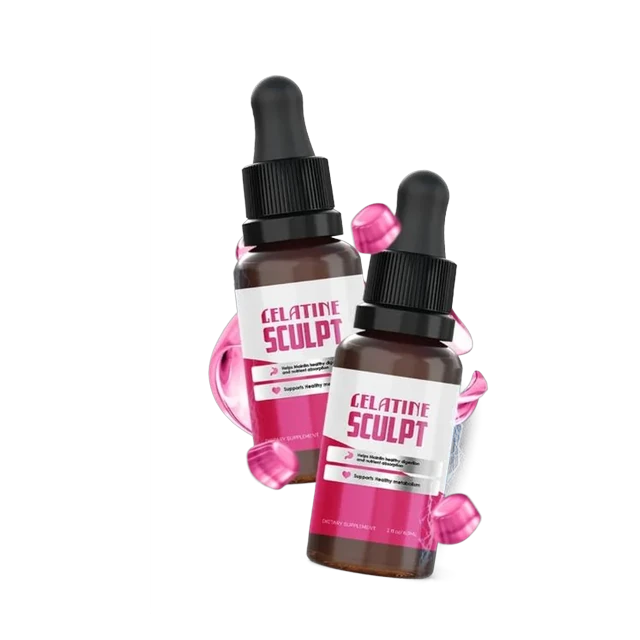
Checked 26 September 2026. Label and price figures checked 26 September 2026. Every source is named below, so you can repeat each check yourself.
Is Gelatine Sculpt a scam, and how did we check?
A real product with a real label, sold beside marketing that doesn't match it
"Scam" is a specific word. We define it below, then sort what we checked into two lists. Some things about Gelatine Sculpt's sale are real and hold up. Others don't check out at all. The label and the website telling two different ingredient stories is the problem worth weighing most.
What do we mean by "scam" here?
We're not using the word loosely, so we're defining it first
People use "scam" to mean different things. We're pinning it down before we go further. A scam takes your money and delivers nothing. Or it lies outright about what you're getting for it.
That's a high bar, and it's the right one. A product can be overpriced, oversold or badly labeled without meeting it. Those are real problems. They're not the same problem as a scam.
With that bar set, here's what we found when we checked Gelatine Sculpt's sale against it. We sort the evidence into what holds up and what doesn't. Then we say plainly where that leaves things.
What holds up about Gelatine Sculpt, and what doesn't?
Two honest lists, built from what we could actually verify
What checks out
- A real product ships, with a real Supplement Facts panel printed on the bottle.
- The 60-day guarantee is stated the same way on both the official site and the affiliate order page.
- A named retailer, BuyGoods, handles the transaction and appears on both pages.
- A named distributor, Instituto Experience, is printed on the label, in Lakeland, Florida, with a phone number.
What doesn't check out
- The website names three ingredients, Pure Gelatine, Turmeric and Burned Berberine, that aren't on the label at all.
- The contact email domain printed on the bottle, costumercs.com, returns NXDOMAIN. It isn't registered.
- The $179 list price shown as struck-through never appears as a real charge on either page.
- Six named testimonials sit beside a footer note saying names and identifying details have been changed.
- The site calls the product "the 'Bariatric Jelly' that mimics Ozempic," a strong claim for a supplement.
- A countdown timer runs above the pricing on both pages.
- The browser tab renames itself "(1) Unread Message" once you look away from it.
- Three lookalike domains outrank the real site on its own ingredients search.
One smaller detail sits between the two lists, worth a note without over-reading it. The distributor's Lakeland, Florida address sits next to a +1 323 number. That's a Los Angeles area code, not a Florida one. It doesn't prove anything on its own. It's just a detail a careful buyer would notice.
The contradiction that matters most
Two documents from the same seller, describing two different formulas
Of everything on that second list, one item carries more weight than the rest. The seller's own website names four ingredients as the formula. Three of those four aren't on the Supplement Facts panel.
Pure Gelatine isn't there. The base of the liquid is glycerin and water. Turmeric isn't there. Burned Berberine isn't there. Only Green Tea Extract from that list of four appears on the label. Even then, it's one of 22 ingredients sharing a single combined weight.
Run it the other way and the gap holds. Chromium and guarana are both printed on the label. Neither word appears on the seller's website.
This isn't a marketing flourish. It's a factual mismatch between what the site promises and what the bottle contains. That's the part of this we'd call substantive, not cosmetic.
Marketing tactics, weighed against the scam definition
Aggressive isn't automatically the same as fraudulent
Countdown timers, a renaming browser tab and testimonials with a names-changed disclaimer are common across direct-response supplement marketing. None of them, on its own, meets the definition we set out above.
A countdown timer creates urgency. It doesn't take your money without delivering a product. A renamed browser tab is an attention trick. It doesn't lie about what's in the bottle.
Testimonials with changed names are a gray area. The footer discloses the change, so it isn't hidden. We can't check from outside the company whether six specific stories are real people or composites.
The "mimics Ozempic" line and the GLP-1 and GIP claims sit closer to a real concern. They're strong health claims for a supplement. We're reporting them as the seller's words, not confirming them.
The lookalike domains outranking the real site are a search problem, not one the seller necessarily controls. But a buyer searching for basic facts can still land somewhere that isn't the seller.
None of this, by itself, proves money was taken with nothing shipped. It doesn't prove the product itself is fake. A real bottle, with a real label, does arrive.
How to check any of this yourself
Three steps, using free tools, in about five minutes
You don't need to take our word for any of this. Each of these checks takes a couple of minutes on a laptop or phone.
First, put the ingredient list from a seller's website beside the Supplement Facts panel on the product photo. Zoom into the label image. See if the names match, and see if anything on one side is missing from the other.
Second, run any printed contact domain through a free DNS lookup tool. Type in the domain, and check whether it returns an A record. No A record means no working website or mail server behind it.
Third, search the product's own name plus "ingredients" on Bing US, not just Google. Look at which domains show up first. A misspelled or unfamiliar domain outranking the seller's own site is worth noticing.
None of these steps requires special tools or technical skill. They just take a few minutes, and they turn a vague worry into something you can actually see.
So is Gelatine Sculpt a scam by our definition?
Not a scam by the strict definition, but not a clean sale either
Here's where we land. Gelatine Sculpt doesn't meet the definition of a scam we set out at the top. A real product ships. A real guarantee applies. A real retailer processes the charge.
But several things around the sale are marketing practices a buyer should weigh, not dismiss. The lookalike domains, the countdown timer and the tab trick all push toward a faster decision. The facts alone wouldn't support that speed.
One item here is a real problem, not just a tactic. The label and the website disagree on the ingredient list. It means the pitch that sells the product doesn't match the product being sold.
If you're deciding whether to buy, that mismatch is the fact to weigh most. Everything else on our second list is worth knowing. Most of it is closer to sales pressure than to fraud.
Gelatine Sculpt scam questions, answered plainly
Short answers, each traceable to something checked above
Is Gelatine Sculpt a scam?
Not by the definition we use, taking money and delivering nothing, or lying about the product entirely. A real bottle with a real label does ship.
Why do people ask if it's a scam?
The site's ingredient claims don't match the label. The contact email doesn't work. The sales pages also use pressure tactics like a countdown timer.
Does the contact address on the bottle work?
Not as printed. The domain costumercs.com returns NXDOMAIN, meaning it isn't registered and can't receive mail.
Are the testimonials on the site real?
We can't confirm that from outside the company. The footer discloses that some names and identifying details have been changed.
Is the $179 price real?
It appears only as a struck-through comparison figure. No page we checked charges $179 for a single bottle.
What's the single biggest red flag?
The website names three ingredients that don't appear on the label at all. That's a mismatch between the pitch and the product.
This page is desk analysis. We read the seller's official site, its affiliate order page and its label image. We also ran a DNS lookup on the contact domain. All were checked on 26 September 2026. We didn't test the product and haven't purchased it ourselves. Tell us through the contact page if anything here stops matching what you find. We'll correct it with a dated note.
That link goes to the seller's own site. We earn a commission if you buy, at no extra cost to you, and it never changes what we write. Our full review has the score and the verdict.
This page is information, not medical advice. Statements about supplements have not been evaluated by the FDA.